
FAQS


Knowledge on Steward-Ownership
Collected. Curated. Free. Articles, videos, courses, case studies and more, for founders, investors and everyone who wants to learn about steward-ownership.


When deciding on the appropriate financial instrument, consider the narrative around your financing round. Using a language and financial instruments that investors are already used to can make it a less daunting process for them and make communication easier.
This is why some companies prefer using familiar instruments for investors, such as equity, convertible or subordinate loans (or other financial instruments often used in your country) to make the fundraising process smoother and more straightforward. However, others may feel confident about initiating a dialogue on alternative financing options and choose instruments that align more closely with their business model or philosophy, even if they are less well-known in the financing world. Some companies, like Vyld for example, take existing instruments – such as profit participation rights in their case – and shape them within legal bounds into a tailored structure that meets their unique needs (More information on Vyld’s case here).
On the other hand, some companies feel that using instruments that are too familiar for investors leads to them not fully understanding the special nature of steward-ownership-aligned financing. For example, holding shares is normal to them – so it can also be more difficult to explain that yes, they hold shares, but they are structured in a way that they have no voting rights and a limited return. To ensure that investors are fully committed to and completely understand the nature of the investment relationship, these differences have to be communicated clearly. This communication and clarity can be easier achieved if the financing instrument is completely new to investors anyways.
Radical products need radical business structures
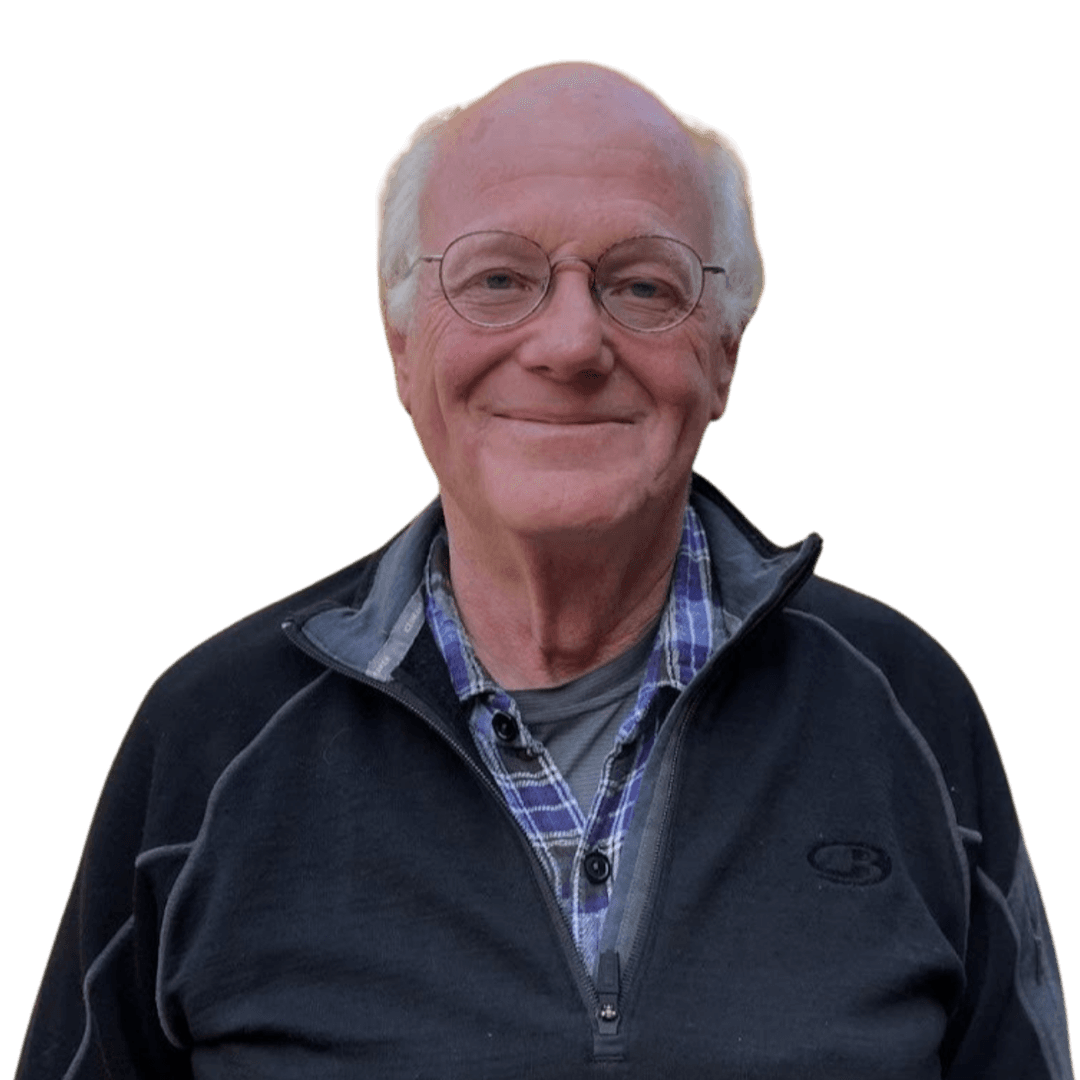
Ines Schiller founded VYLD with the goal of producing reliable, healthy, and sustainable period products that contribute to ocean conservation and with the vision to build an “Algaeverse” – a universe of sustainable and healthy absorbent algae products (from pads, liners and even period panties over baby diapers to adult incontinence care) that helps establish a regenerative economy within the boundaries and cycles of the living world. At the same time, VYLD wants to reduce the stigma around menstruation and contribute to period health and empowerment for all menstruators.
Besides the environmental benefits, using seaweed also offers health and performance benefits. Research indicates that VYLD’s tampon fibers, derived from marine algae, preserve the vaginal microbiome, and outperform conventional tampons in testing. [40]
Looking for a way to set up a company structure aligned with their values, vision and their concept of entrepreneurship, Ines and Melanie Schichan of VYLD discovered the concept of steward-ownership. They didn’t want to build up VYLD and then make an exit, but focus on their business model and mission in the long run. The questions of ownership, power distribution and a fitting financing structure were central for Ines and Melanie. To them, steward-ownership was a way to legally enshrine their company's vision – and also to credibly communicate it to potential investors.
From the start, they strategically built their financing structure to facilitate a transition into steward-ownership, integrating a group of investors as well as a crowdfunding campaign in their financing model. In their second financing round, VYLD collaborated closely with its investors to successfully convert the financing instrument into one that better suited their needs: from subordinated loans into a “Future Profit Partnership Agreement” (FPPA) based on profit participation certificates. With the implementation of this new financial instrument, although not selling shares, the investments are still categorized as equity, allowing VYLD to qualify for subsidies and bank loans.
grid extension test (Copy)vvbvbvb
a extension test12312rdrt
.png&w=3840&q=75)
extension image test
Aligned Financing
Questions around aligned financing arise in different situations. Common ones:
Explore Steward-Ownership in Practice
Stories, tools, and learning journeys for entrepreneurs, investors, and practitioners ready to engage with a model that puts purpose and long-term independence at the center.
Stories
Learning Journeys
Resource Hub
grid extension test
extension test
grid extension test (Copy)vvbvbvb (Copy)
a extension test12312rdrt
aaaaa extension image testaaaa
Ways to learn
One idea, many paths: Choose what suits you best


.png&w=3840&q=75)

grid extension test (Copy)
grid extension test (Copy)y
.png&w=1080&q=75)